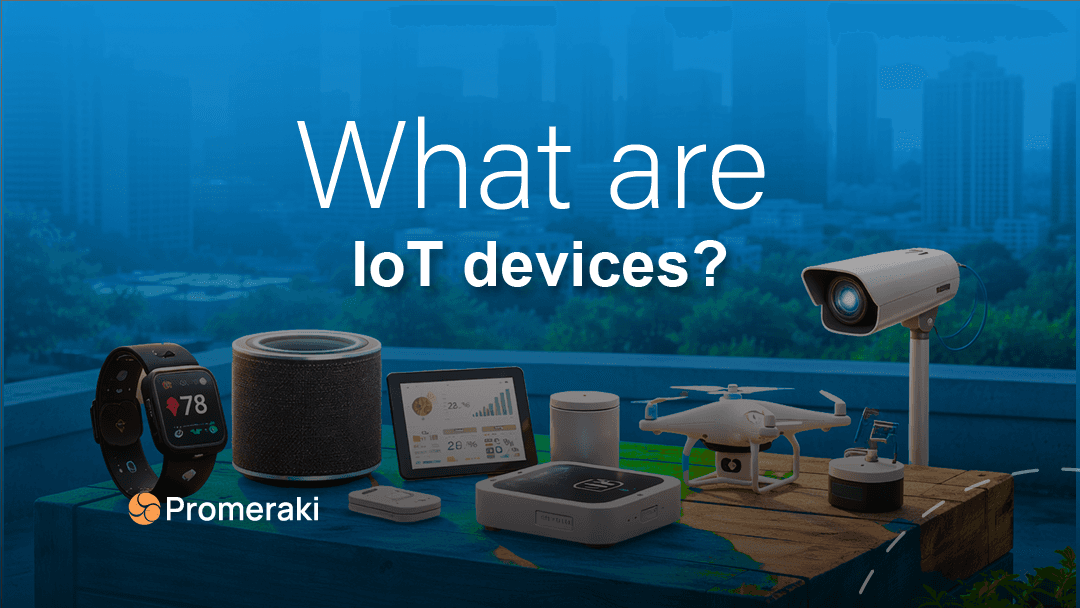
Connected technology is everywhere today. From smartwatches that track your health to security cameras that send alerts to your phone, many everyday tools now communicate through the internet.
These connected objects are called IoT devices.
But what are IoT devices exactly, and why are they becoming such an important part of modern technology?
The Internet of Things (IoT) allows physical devices to collect information from the real world and share that data with software systems. These systems can analyze the information and automatically respond to it.
In this guide, you will learn:
- What IoT devices are
- How IoT devices work
- Real examples across industries
- The benefits and challenges of IoT technology
With these points in mind, let's explore the definition and core features of IoT devices.
What are IoT Devices? A Simple Definition
IoT devices are physical objects connected to the internet that collect, send, and receive data.
These devices use sensors, software, and connectivity technologies to communicate with other systems such as cloud platforms, mobile applications, or enterprise software.
Traditional devices usually operate independently. IoT devices, however, constantly exchange information with other systems. This data exchange enables monitoring, automation, and smarter decision-making.
For example, consider the difference between a traditional thermostat and a smart thermostat.
A traditional thermostat allows you to manually adjust the temperature.
A smart thermostat is an IoT device. It collects environmental data, connects to the internet, learns user preferences, and automatically adjusts heating or cooling. Users can also control it remotely through a mobile application.
This ability to sense, connect, and communicate makes IoT devices powerful tools for modern digital systems.
The economic impact of IoT is also significant. Research from McKinsey suggests that IoT technologies could generate up to $11 trillion in global economic value annually by 2026, driven by automation and improved efficiency.
Examples of IoT devices include:
- Wearable fitness trackers
- Smart home appliances
- Connected vehicles
- Industrial equipment sensors
- Asset tracking systems
Now that you've seen key examples, let's examine the main building blocks behind IoT devices.
In short:
- IoT devices are physical objects connected to the internet that collect, send, and receive data - enabling automation, remote control, and smarter decision-making.
Key Components of IoT Devices
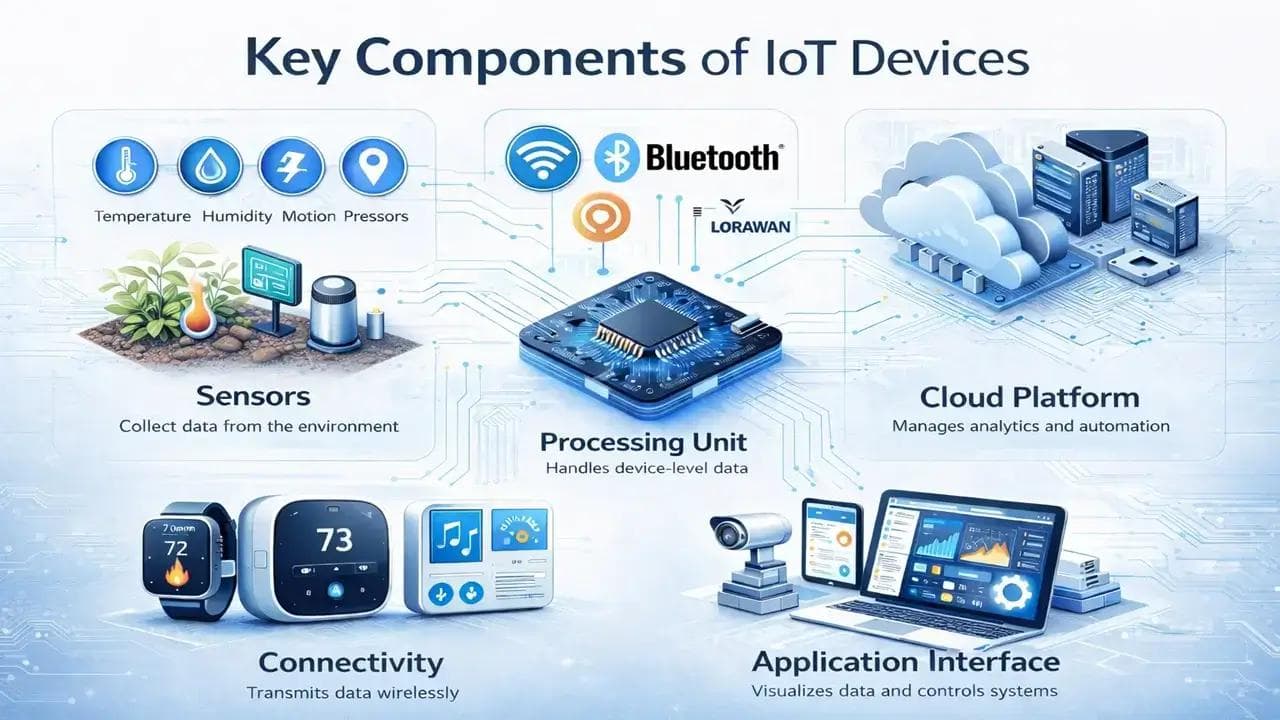
IoT systems are made up of several layers working together. Understanding these components makes it easier to see where complexity arises and were platform design decisions matter most.
Sensors
Sensors are the starting point. They collect data from the physical environment.
Common types include temperature, humidity, motion, pressure, and GPS location sensors. In agriculture, for example, soil sensors measure moisture levels continuously so that irrigation decisions can be automated rather than estimated.
Connectivity
Collected data needs to travel. IoT devices transmit using technologies such as WiFi, Bluetooth, cellular networks, Ethernet, or low-power wide-area networks like LoRaWAN.
The right connectivity method depends on the environment, power constraints, and the distance over which data must move.
Processing Unit
Most IoT devices contain a small embedded processor or microcontroller. This unit handles device logic, manages data preparation, and executes commands received from the cloud.
Cloud Platform
The cloud platform is where the intelligence lives. Incoming device data is processed, stored, analyzed for patterns, and used to trigger actions or alerts at scale.
This layer is also where managing large device fleets becomes a serious engineering challenge. More on that below.
Application Interface
The final layer is how humans interact with the system through mobile apps, web dashboards, or enterprise monitoring tools. These interfaces allow teams to monitor device health, review analytics, and control operations remotely.
How IoT Devices Work
Although IoT systems may seem complex, the basic workflow is fairly simple.
Most IoT devices follow four main steps.
Data Collection
Sensors collect information from the physical environment.
This could include temperature readings, equipment performance data, environmental conditions, or location information.
Data Transmission
The device sends this data to a cloud platform or gateway using its network connection.
Data Processing
Cloud platforms analyze the incoming data using analytics tools or algorithms.
Automation or Alerts
After analyzing the data, the system can trigger actions such as:
- Sending alerts
- Activating equipment
- Updating dashboards
- Adjusting environmental settings automatically
For example, in a smart irrigation system:
- A soil sensor detects low moisture
- Data is sent to the cloud
- The platform analyzes the moisture level
- Irrigation automatically turns on
This ability to automate actions based on data is one of the biggest advantages of IoT systems.
Types of IoT Devices
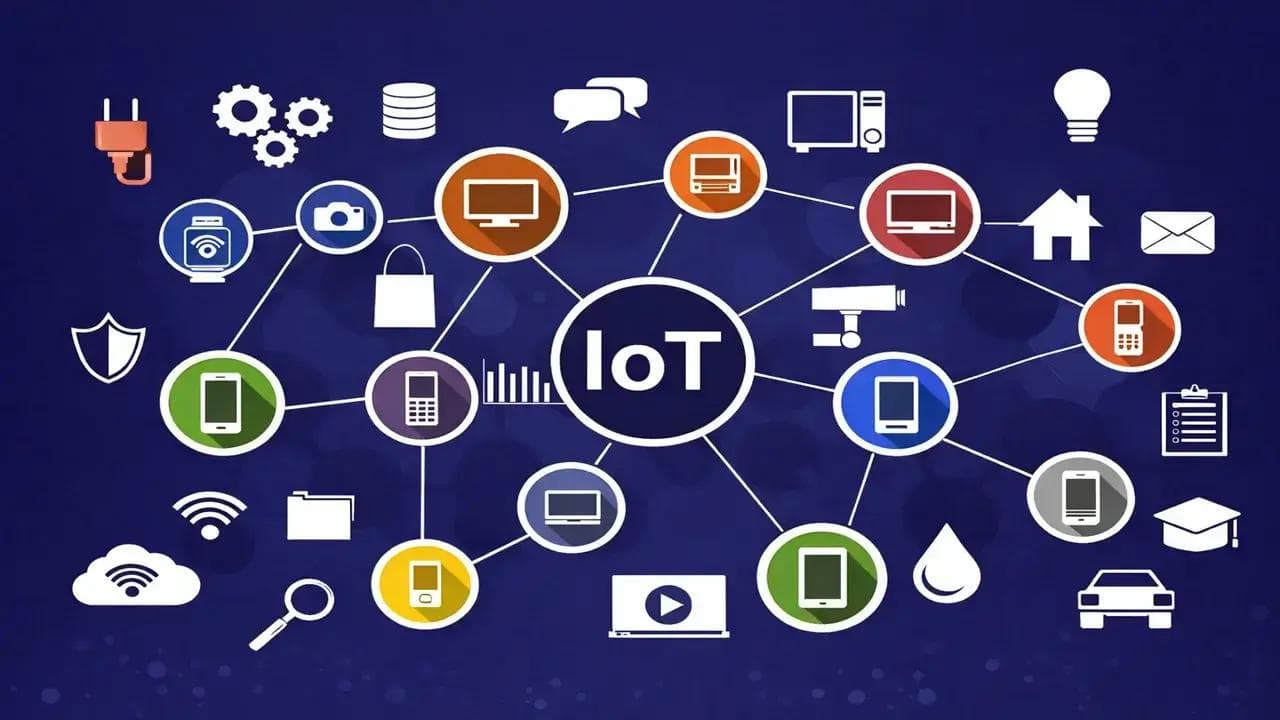
IoT technology is used across many industries.
According to IoT Analytics, more than half of global enterprises already use IoT solutions in some form.
Here are some common categories of IoT devices.
Consumer IoT Devices
Consumer IoT devices are used in homes and everyday environments.
Examples include:
- Smart speakers
- Smart thermostats
- Wearable fitness trackers
- Connected home security systems
These devices improve convenience and automation in daily life.
Industrial IoT Devices (IIoT)
Industrial IoT devices are used in manufacturing and operations.
Examples include:
- Machine monitoring sensors
- Predictive maintenance systems
- Asset tracking devices
- Smart energy meters
Factories use these systems to monitor equipment performance and prevent downtime.
Healthcare IoT Devices
Healthcare organizations use connected devices to monitor patient health.
Examples include:
- Remote patient monitoring devices
- Wearable heart rate monitors
- Connected medical equipment
These technologies help doctors track patient conditions in real time.
Agriculture IoT Devices
Agriculture is increasingly adopting IoT technology.
Examples include:
- Soil monitoring sensors
- Livestock tracking devices
- Smart irrigation systems
- Climate monitoring stations
Farmers use these devices to improve crop yields and manage resources more efficiently.
Smart City IoT Devices
Cities also deploy IoT technology to improve infrastructure.
Examples include:
- Traffic monitoring systems
- Smart parking sensors
- Connected streetlights
- Environmental monitoring devices
These systems help cities manage resources and improve public services.
Examples of IoT Devices
IoT devices are already used in many everyday situations.
Smart Thermostats
Smart thermostats monitor temperature and adjust heating or cooling automatically based on user behavior and environmental conditions.
Fitness Trackers
Wearable fitness devices collect health data such as activity levels, sleep patterns, and heart rate.
Smart Security Cameras
Connected security cameras detect motion and send alerts to users while allowing remote video monitoring.
Smart Irrigation Systems
Agricultural IoT systems monitor soil moisture and weather conditions to optimize irrigation schedules.
Industrial Equipment Sensors
Factories install sensors on machines to track vibration, temperature, and operational performance.
These systems help detect equipment problems early and prevent costly downtime.
The global demand for IoT technology continues to grow. According to IDC, global spending on IoT solutions is expected to reach over $1.1 trillion by 2026.
Benefits of IoT Devices
IoT devices offer many advantages for businesses and consumers.
Real-Time Monitoring
Connected devices provide continuous visibility into operations and environments.
Operational Efficiency
Automation reduces manual work and improves productivity.
Predictive Maintenance
Sensors can detect equipment issues early.
Deloitte reports that IoT-powered predictive maintenance can reduce maintenance costs by up to 25 percent and reduce unexpected downtime by around 30 percent.
Data-Driven Decisions
Organizations gain access to valuable operational data that supports smarter decision-making.
Cost Optimization
Connected monitoring systems help reduce energy consumption and operational inefficiencies.
Ready to bring these benefits to your own product?
Promeraki helps OEMs and device manufacturers move from connected hardware to reliable cloud IoT platform - faster and without building everything from scratch!
Challenges of IoT Devices at Scale
While IoT devices provide major benefits, deploying them at scale introduces challenges.
Security
Connected devices must be protected from cyber threats. Strong authentication, encryption, and secure firmware updates are essential.
Device Management
Managing thousands of devices requires centralized systems for monitoring, diagnostics, and updates.
Data Volume
IoT deployments generate large amounts of data. Systems must process and store this information efficiently.
Connectivity
Devices operating in remote environments may face unstable internet connections. Systems must handle temporary network interruptions.
These challenges highlight why strong system design is essential for successful IoT projects.
Why IoT Devices Alone are Not Enough!
Connecting devices is only the first step in building an IoT solution.
As deployments grow, organizations must manage large fleets of devices, continuous data streams, and complex operational workflows.
A reliable IoT platform helps organizations:
- Manage device fleets securely
- Monitor connectivity and device health
- Process real-time data streams
- Deploy firmware updates remotely
- Automate workflows based on device signals
Without a proper platform architecture, managing thousands of connected devices quickly becomes difficult.
Companies building connected products often invest in custom IoT platforms that combine device firmware, cloud infrastructure, and analytics systems into one scalable environment.
This approach allows organizations to turn raw device data into meaningful insights and automated processes.
The Future of IoT Devices
IoT technology continues to evolve rapidly.
Artificial intelligence is increasingly integrated into IoT systems. This allows devices to analyze data and make decisions automatically.
Edge computing is also becoming important. Instead of sending all data to the cloud, devices can process information closer to where it is generated.
Faster connectivity technologies like 5G will also support larger IoT networks and enable new applications.
As these technologies develop, IoT devices will become smarter, more autonomous, and more deeply integrated into digital systems.
Final Thoughts
Connected technology is transforming how organizations interact with the physical world.
IoT devices allow businesses to collect real-time data, automate operations, and gain deeper insights into their systems. From smart homes to industrial automation, connected devices are becoming a key part of modern digital infrastructure.
However, the real value of IoT comes from combining devices with strong platforms and data systems.
Organizations that design scalable IoT architectures can manage device networks more effectively, analyze operational data faster, and build smarter connected products for the future.