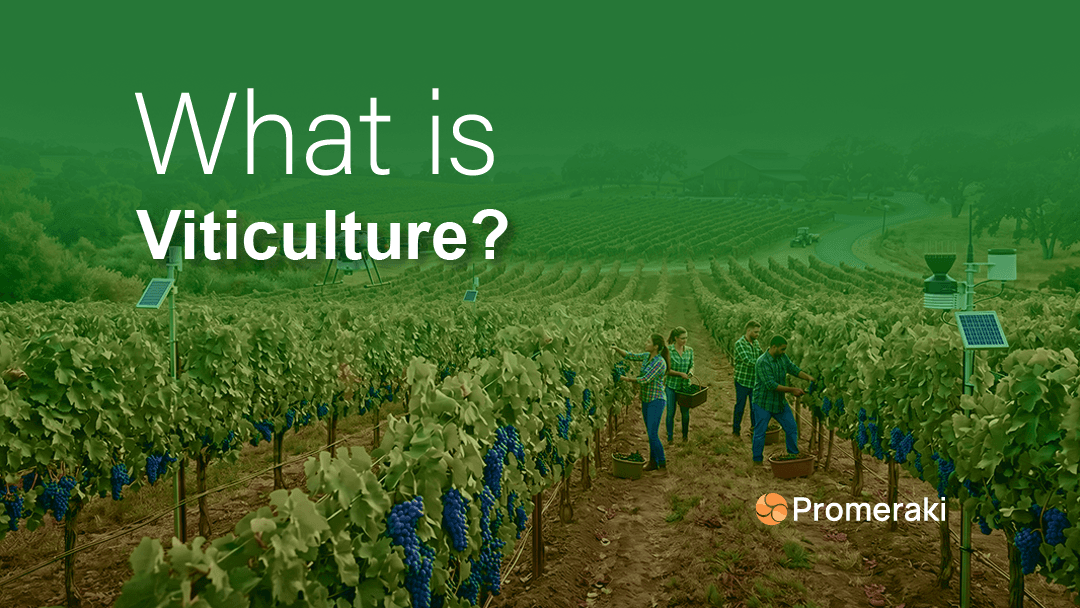
Introduction
Most people think great wine comes from a great winemaker. The truth is it starts much earlier, in the soil, long before a single grape is picked.
A single bad frost, one week of unexpected rain during flowering, or a missed irrigation cycle can reduce an entire season harvest by 20 to 90%. Multiply across thousands of acres and you start to understand why grape growing is one of the most demanding forms of agriculture in the world.
That process everything that happens in the vineyard, from the first bud of spring to the last grape of harvest has a name: Viticulture.
Global vineyard coverage spans 7.1 million hectares worldwide. The global wine market is valued at over $420 billion, according to Statista, and that number is still growing. And that market is under increasing pressure from climate change, rising labour costs, and a consumer base that demands more sustainable, higher-quality wine every year.
Viticulture is one of the fastest-changing areas in agriculture today. What was once a traditional farming craft is now at the center of a global movement toward modern viticulture, smart farming, and precision-led wine production.
Whether you are a winery owner, a vineyard manager, or someone building technology for the agriculture industry, understanding viticulture is the first step. In this guide, we cover what viticulture is, how a vineyard works through the year, what challenges grape growers face, and how vineyard management technology is changing everything.
What is Viticulture?
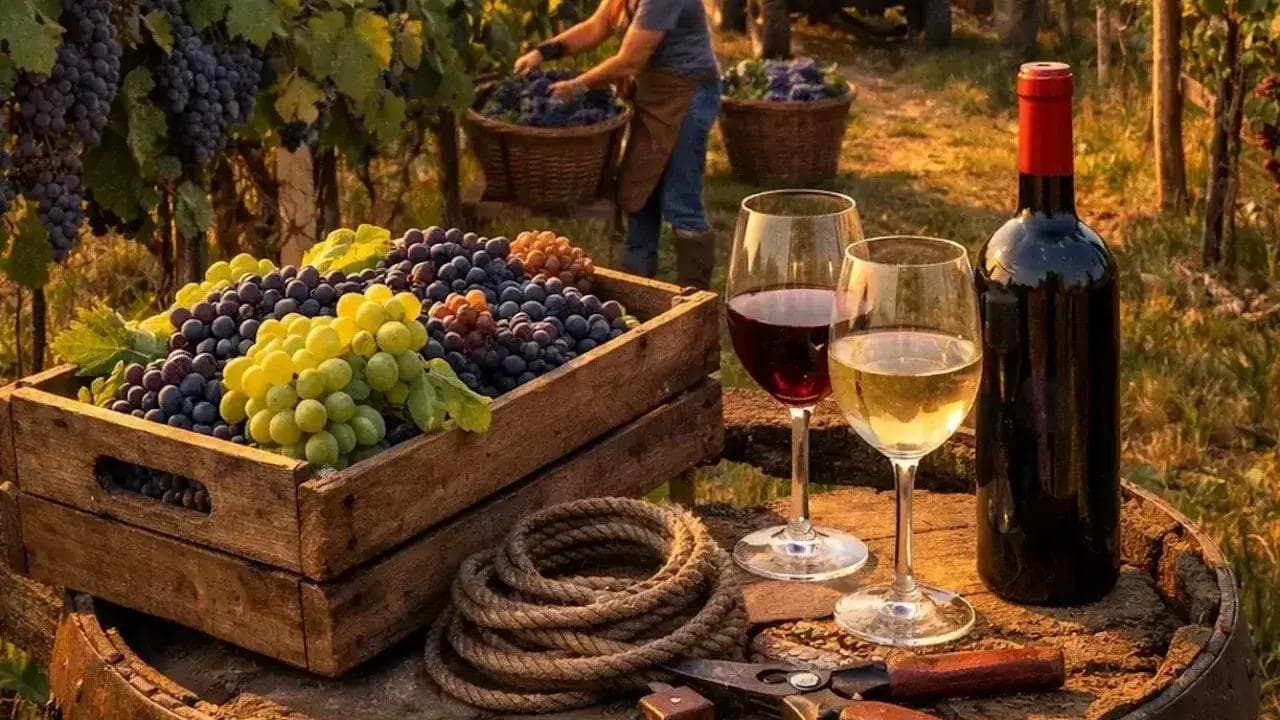
Viticulture is the science and practice of growing grapes. It covers everything that happens in the vineyard, from planting the vines to managing the soil and water, to harvesting the grapes at the right moment.
A quick note on terminology that often confuses people:
- Viticulture: Growing grapes (everything that happens in the field)
- Viniculture: Making wine (everything that happens in the winery)
Both together form what most people call the wine industry.
Viticulture is one of the oldest agricultural practices in the world. Humans have been growing grapes for wine for over 8,000 years, with evidence of organized vineyards dating back to ancient Georgia and Mesopotamia. But what was once purely an art based on tradition and intuition is now rapidly becoming a precise, data-driven science.
The core goal of viticulture is simple; grow the right grapes, at the right time, in the right condition so that the final wine reflects exactly what the winemaker wants to create.
The Vineyard Calendar: How a Year in Viticulture Works?
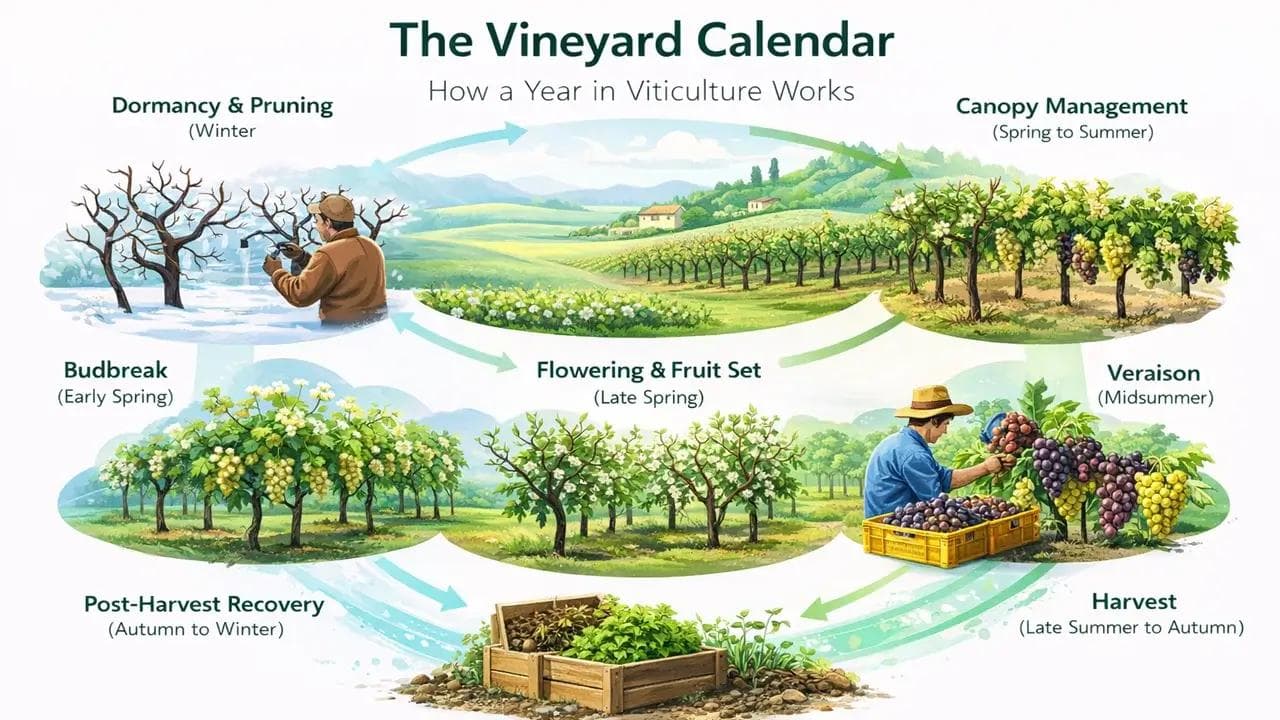
(Here is how a full year in viticulture looks)
Dormancy & Pruning (Winter)
The vines enter a dormant state. This is when vineyard workers prune the canes, carefully cutting the vines back to shape them for the next season. Good pruning sets the foundation for healthy growth and a quality harvest. In large vineyards, this stage alone can take weeks of manual labour.
Budbreak (Early Spring)
Small buds appear on the vines. This signals the start of a new growing season. But it is also a vulnerable time; late frost can damage the young buds and reduce the harvest before it even begins. In regions like Champagne and Burgundy, frost protection is one of the most critical and costly operations of the year.
Canopy Management (Spring to Summer)
As the vine grows, farmers manage the leaves and shoot around the grapes. The goal is to allow sunlight and air to reach the grapes, which helps grapes ripen evenly and reduces the risk of disease. Vigorous growth during this period can quickly shade the fruit if left unmanaged, making consistent monitoring essential.
Flowering & Fruit Set (Late Spring)
Small flowers bloom on the vine and then turn into tiny grape berries. Weather during this stage matters enormously; just 10 days of rain or cold during flowering can reduce grape set by up to 30%, significantly cutting the potential yield for the entire season.
Veraison (Midsummer)
Veraison is one of the most visible and closely watched stages of the entire cycle. The grapes change color; red varieties turn from green to red or purple, while white varieties soften to golden-green. Veraison signals that the grapes are entering their final ripening phase.
Harvest (Late Summer to Autumn)
The most critical moment of the year. Vineyard managers monitor the grapes closely, testing sugar levels, acidity, and flavour every few days. Picking too early or too late directly affects the sugar levels, acidity, and flavour of the wine. Most winemakers agree it is the single most important decision of the entire growing season
Post-Harvest Recovery (Autumn to Winter)
After the harvest, the vineyard rests and recovers. Farmers focus on rebuilding the soil by adding compost, managing cover crops, and preparing the land for next year's cycle. This stage is often underestimated, but healthy soil is the long-term foundation of consistent wine quality.
TL;DR
- Each stage of this cycle is both an opportunity and a risk. Managing each one well with the right data, at the right time, is what separates a great wine from an average one.
What Makes Viticulture Challenging?
Viticulture is one of the most complex and risk-exposed forms of agriculture on the planet. Here are the key challenges vineyard managers face every season:
Unpredictable weather
Frost, heavy rain, drought, or hail can come anytime and damage the entire crop. In recent years, climate change has made this problem worse, and crop losses have increased a lot. This is one of the biggest risks for vineyard owners today.
Pests and disease
Vineyards are highly sensitive to diseases and insects. Fungal diseases like powdery mildew and Botrytis can spread very fast. Insects like phylloxera can attack the roots and damage the plants.
High labour cost
Vineyard work needs skilled people for tasks like pruning, harvesting, and daily care. This work cannot be fully automated in many cases. Labour can take up a large part of total costs, and finding workers is also becoming difficult in many regions.
Water management
Water needs to be managed carefully. Too much water can reduce the taste and quality of grapes. Too little water can stress the plant and reduce growth. Finding the right balance is important, especially in dry regions.
Uneven vineyard conditions
Even within the same vineyard, soil, sunlight, and drainage can change from one area to another. This leads to differences in grape quality. Managing this variation without proper data is difficult, and many vineyards struggle with this.
Traditional Viticulture vs. Modern Viticulture
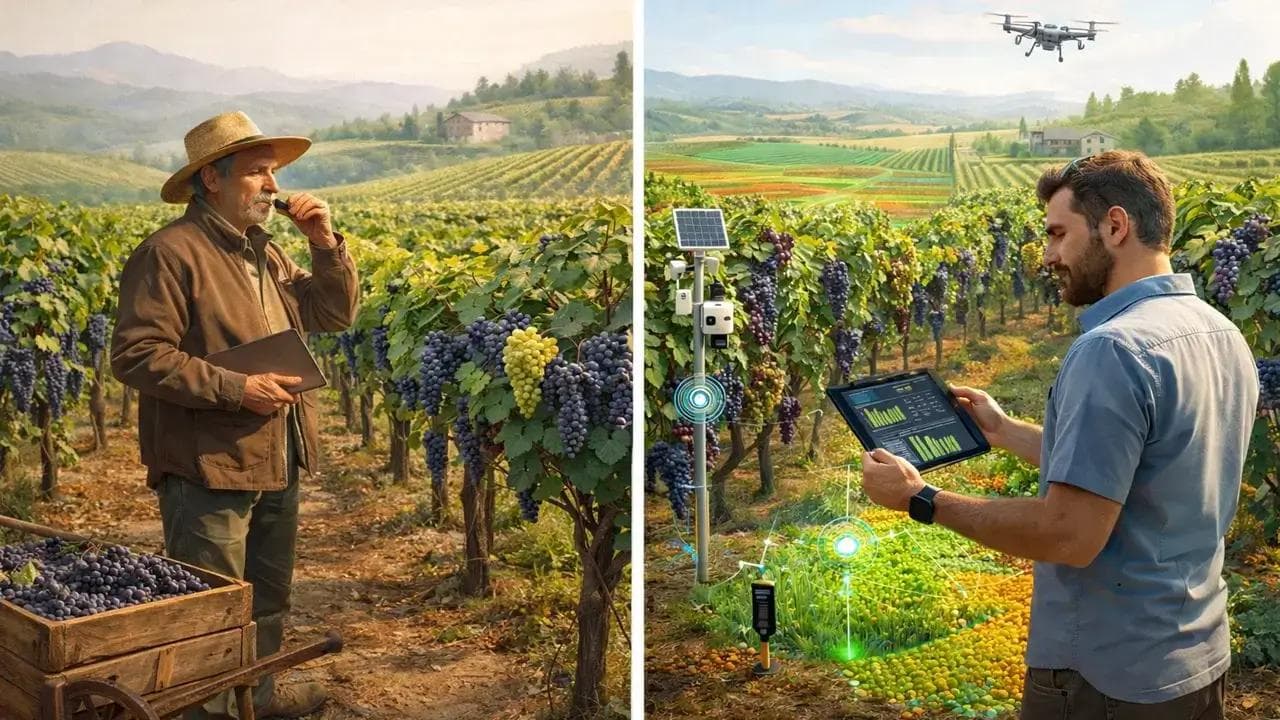
Earlier, vineyard management depended on experience. Managers walked through fields, checked soil, tasted grapes, and made decisions based on their knowledge. This method still works and has produced great wines.
But today, things have changed. Costs are higher, climate risks are increasing, and customers expect better quality. This makes vineyard management more challenging.
Modern viticulture uses data and technology. Sensors and tools help track what is happening in the vineyard in real time. This helps teams make better and faster decisions.
Precision viticulture is an advanced part of this. It treats the vineyard as multiple small zones instead of one large field. Each zone is managed based on its own soil, water, and crop conditions.
| Factor | Traditional Viticulture | Modern Viticulture | Precision Viticulture |
|---|---|---|---|
| Decision-Making | Based on experience and intuition | Based on real-time sensor data | Based on zone-by-zone field data |
| Monitoring | Manual walkthrough of the vineyard | Remote dashboards and alerts | Automated alerts per individual zone |
| Treatment | Applied uniformly across the whole vineyard | Guided by live platform data | Applied per zone, only when needed |
| Irrigation | Fixed schedule or visual check | Data-informed scheduling | Automated, triggered by soil moisture levels |
| Disease Detection | Visual scouting by workers | Sensor and drone monitoring | AI-powered early prediction |
| Labour Dependency | Very high | Moderate | Low to moderate |
| Sustainability | Limited control over inputs | Improved efficiency | Measurable reduction in water and chemicals |
| Technology Used | None | IoT sensors, dashboards, platforms | Drones, AI, multi-layer field data |
The Role of Vineyard Management Technology in Smart Farming
Technology is helping vineyards work in a smarter way. This is called smart farming. It uses devices, data, and software to improve decisions, save costs, and increase profit.
IoT sensors in the field
Small sensors are placed in soil and around the vineyard. They collect data like soil moisture, temperature, humidity, and wind. This helps managers decide when to water or spray without checking every area manually. For example, one winery in California reduced water use by 20% using these sensors.
Drones and satellite images
Drones fly over vineyards and take detailed images. These images show which plants are healthy and which are stressed. Problems can be found early, even before they are visible. Some vineyards detect diseases up to two weeks earlier using this method.
Centralized data platforms
All data from sensors, drones, and weather stations are collected in one system. Managers can see everything on one screen from anywhere. This removes guesswork and saves time.
Automated irrigation and fertigation
Smart systems control water and nutrients automatically. They adjust based on real-time data. This helps save water and also improves grape quality, taste, and sugar levels.
AI and predictive analytics
AI uses data to predict problems before they happen. It can forecast disease, estimate harvest time, and predict yield. This helps vineyards act early instead of reacting later. Some studies show up to 40% reduction in chemical use with AI.
Why Viticulture Is a Growing Investment Opportunity
The global wine market is growing. Premium wine consumption is rising, particularly in Asia-Pacific markets. At the same time, consumers are increasingly demanding sustainable, traceable, and high-quality products. These trends are pushing wineries and vineyard operators to invest in modern viticulture technology at a pace that was unimaginable a decade ago.
Precision viticulture solutions and smart farming wine technologies are no longer a luxury for large estates. They are becoming a competitive necessity for any vineyard that wants to stay profitable, consistent, and sustainable.
The opportunity spans across the value chain:
- Equipment manufacturers adding smart sensors and connectivity to their machines
- Agri-tech startups building vineyard management technology platforms
- Enterprise wineries seeking end-to-end digital visibility across multiple properties
- Government and research bodies funding sustainable and precision viticulture programmes
For technology companies and platform engineers, viticulture represents one of the most interesting and underserved areas in precision agriculture today.
Conclusion
Viticulture has come a long way from its ancient roots. What started as a craft guided by seasons and intuition has evolved into a dynamic, technology-driven industry. Modern viticulture, powered by precision viticulture tools, IoT-based vineyard management technology, and smart farming wine platforms, is reshaping how grapes are grown around the world.
The opportunity for technology companies in this space is real and growing. Vineyards need reliable, scalable digital infrastructure, and very few players are building it well. Whether you are an OEM adding connectivity to field equipment, an agri-tech startup building a vineyard data platform, or a winery looking to digitize your operations end-to-end, the foundation starts with the right engineering partner.
Promeraki helps OEMs and agri-tech businesses build the IoT platforms and digital systems that make smart vineyard management possible.
Make Every Acre Work Smarter
The technology behind modern vineyards is only as good as the platform powering it. That is what Promeraki builds.